The 2026 St. Albert Real Estate Forecast: Why a “Balanced Market” Benefits Migrating Buyers
St. Albert Real Estate Forecast 2026
As we move through 2026, the St. Albert real estate landscape has entered a phase of “Healthy Equilibrium.” For several years, the market was characterized by frantic bidding wars and critically low inventory, which often sidelined buyers moving from out of province. However, the 2026 forecast for St. Albert indicates a shift toward a balanced market—a state where neither the buyer nor the seller holds an overwhelming advantage.
For families migrating from higher-priced markets in Ontario and British Columbia, this stability is the “Green Light” they have been waiting for. St. Albert, consistently ranked as one of the best places to live in Canada, is now offering something it hasn’t in years: Time and Choice.
1. Defining the 2026 St. Albert Real Estate Market Balance
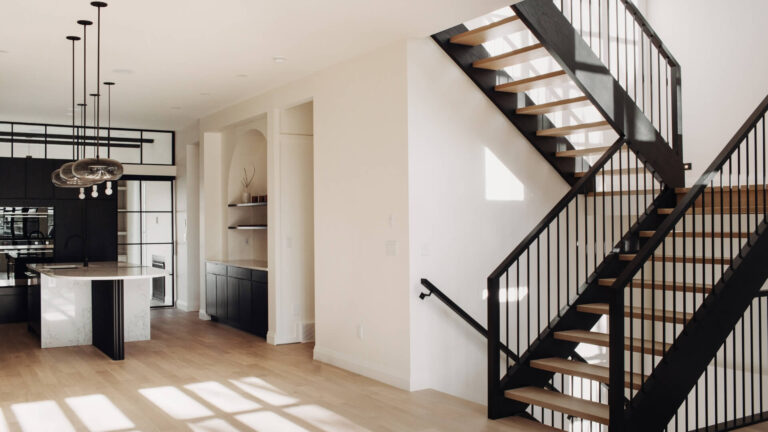
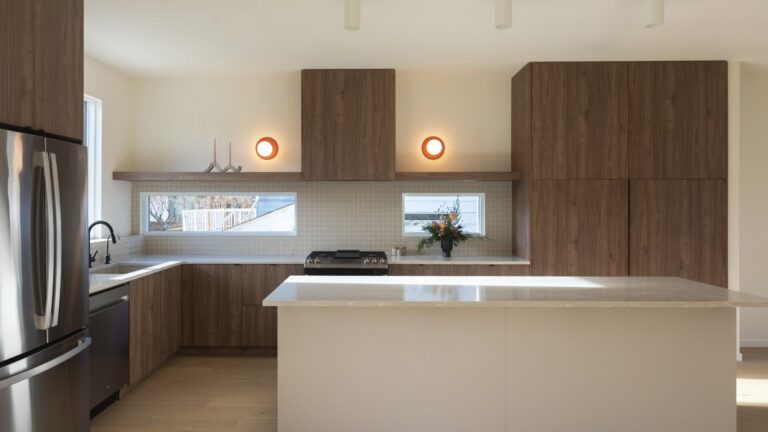
A balanced market is typically defined by having four to six months of inventory. In 2026, St. Albert is hovering right at the 4.5-month mark. This is a significant departure from the “seller’s panic” of 2022-2024. We are seeing a significant surge in demand for bungalow-style properties and luxury condos as more homeowners prioritize premium downsizing in 2026.
Why St. Albert is Reaching Equilibrium:
- Stabilized Interest Rates: With the Bank of Canada maintaining a consistent policy in 2026, the “fear of the unknown” has dissipated, allowing for more predictable mortgage planning.
- Increased New Construction: Major developments in Cherot, Riverside, and Erin Ridge North have finally caught up with demand, adding much-needed supply to the St. Albert inventory.
- Sustainable Price Growth: Unlike the double-digit spikes of the past, St. Albert is seeing a steady, inflationary growth of 3-4%, which prevents the “bubble” anxiety seen in larger metros.
The St. Albert Advantage for Migrating Buyers
For those moving to Alberta, St. Albert often stands out as the primary choice due to its “small-town feel with big-city amenities.” In a balanced 2026 market, these migrating buyers find themselves in a position of strength.
The Power of the “Condition” in St. Albert:
In a hot seller’s market, buyers often have to drop conditions (home inspections, financing, or the sale of their current home) to be competitive. In the 2026 St. Albert market, “Subject to Sale” conditions are becoming more common again. This is a massive benefit for someone selling a home in Toronto or Vancouver, as it allows them to secure their St. Albert home without the risk of owning two mortgages simultaneously.
Value Comparison in St. Albert:
In 2026, the “purchasing power gap” remains wide. A migrating buyer can often sell a standard townhome in the GTA and purchase a 2,500 sq. ft. luxury detached home in St. Albert’s Jensen Lakes or Oakmont while still putting money into their retirement savings.
St. Albert Neighborhood Spotlights for 2026 Relocation
1. St. Albert’s Cherot Neighborhood
As one of the newest communities, Cherot is designed with the “15-minute city” concept in mind. It features French-inspired architecture and proximity to the future site of the St. Albert West Recreation Site.
- Why it suits migrants: It offers modern, energy-efficient builds that appeal to those used to high-end urban living.
2. St. Albert’s Grandin Neighborhood
For those who prefer mature trees and larger lots, Grandin remains a staple. In 2026, we are seeing a wave of “Modern-Retro” renovations where young families buy older bungalows and use their migration equity to modernize them.
3. St. Albert’s Erin Ridge North
This continues to be the commercial and residential hub of North St. Albert. With easy access to Costco and the highway, it is the top choice for professionals who may need to commute occasionally to Edmonton or the airport.
Navigating St. Albert Property Taxes and Services in 2026
A common question for migrating buyers involves the cost of living. St. Albert is known for having a higher property tax rate than the City of Edmonton, but in 2026, the value proposition is clearer than ever.
The St. Albert Service Standard:
- Snow Removal: St. Albert is famous for its “curb-to-curb” snow clearing, which is often superior to neighboring cities.
- Recreation: The 2026 budget continues to fund the expansion of the Red Willow Trail system, ensuring over 100km of paved trails for residents.
- Safety: St. Albert consistently maintains one of the lowest Crime Severity Index (CSI) rankings in the province.
St. Albert Investment Potential in a Balanced Market
While the market is balanced, it is by no means stagnant. St. Albert real estate remains a blue-chip investment.
The 2026 St. Albert Rental Strategy:
Because St. Albert attracts a high-income demographic, the rental market for “Executive Suites” and “Legal Basement Suites” is exceptionally strong. Investors are finding that properties in St. Albert appreciate more reliably because of the city’s strict “managed growth” policies, which prevent over-saturation of the market.
2026 Market Showdown: Coastal Chaos vs. The St. Albert Balance
| Market Metric | The Coastal Market (GTA / BC) | St. Albert, Alberta |
| Market Condition | Volatile, high stress | Balanced, stable inventory |
| Negotiation Power | Minimal (Buyer absorbs all risk) | High (Inspections & conditions accepted) |
| Price Trajectory | Unpredictable, condo sector declining | Steady, sustainable 2% – 4% appreciation |
| Land Transfer Tax | Tens of thousands of dollars lost | $0 (Nominal registration fee only) |
| Monthly Cash Flow | Negative (Drowning in coastal debt) | Massive monthly surplus (30-Year strategy) |
The 2026 St. Albert Forecast FAQs
Is 2026 a good year to buy in St. Albert?
Yes. The balanced market means you have more inventory to choose from and more time to conduct due diligence. You are less likely to overpay in a bidding war.
What is the average price of a home in St. Albert in 2026?
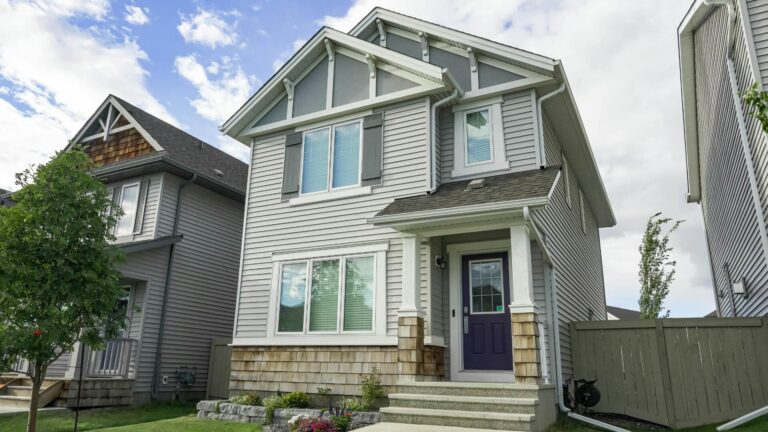
The average detached home price in St. Albert is currently trending between $550,000 and $585,000, while luxury homes in areas like Jensen Lakes often exceed $900,000.
How long do homes stay on the market in St. Albert?
In the current balanced market, the average “Days on Market” (DOM) is approximately 35 to 45 days, giving buyers ample time to view properties and arrange financing.
Are there “new build” opportunities in St. Albert?
Absolutely. Areas like Riverside and Cherot are currently the hotspots for new construction, with several of Alberta’s top builders offering quick-possession and custom-build options.
What should migrating buyers know about St. Albert schools?
St. Albert has two excellent school boards (Public and Catholic) and is renowned for its French Immersion programs. Schools like Leo Nickerson and Bellerose Composite High are major draws for families.
Does St. Albert have a commuter transit system?
Yes, St. Albert Transit (StAT) offers efficient commuter bus service directly to downtown Edmonton and the University of Alberta, making it ideal for professionals and students.
What are the utility costs like in St. Albert?
Utilities are comparable to the rest of the Edmonton region, though newer homes in St. Albert’s 2026 developments are being built to higher “Net Zero” standards, significantly reducing monthly heating and cooling costs.
Summary of the St. Albert 2026 Market Forecast
The St. Albert real estate market in 2026 represents a “Safe Harbor.” It offers the stability of a mature city with the growth potential of a developing tech and professional hub. For the migrating buyer, the balanced market removes the “stress-test” of the buying process, allowing for a thoughtful transition into one of Alberta’s most prestigious communities.
Whether you are looking for a lake-access home in Jensen Lakes, a modern condo in the Perron District, the city’s urban planning focuses on accessibility, making the walkable communities in St. Albert ideal for downsizers and active seniors. or a family-friendly duplex in Riverside, St. Albert in 2026 is ready to welcome you with open arms and a stable, predictable real estate environment.