The Botanical Arts City: Discovering St. Albert’s Unique Cultural Identity (2026 Guide)
St. Albert’s Unique Cultural Identity
In 2026, St. Albert has firmly established itself as more than just a suburb; it is a cultural destination. Known officially as the “Botanical Arts City,” St. Albert has spent decades cultivating a brand that balances environmental stewardship with a deep appreciation for the fine arts. This dual identity is woven into the very fabric of the city, from the flower-lined streets of the Perron District to the world-class performances at the Arden Theatre.
For those considering a move to St. Albert, or for current residents looking to deepen their connection to the community, 2026 represents a peak in the city’s cultural evolution. The integration of nature and creativity isn’t just a marketing slogan—it’s a lifestyle that defines the St. Albert experience.
1. The Botanical Roots of St. Albert
The “Botanical” side of the city’s identity is anchored by the St. Albert Botanic Park. As we move through 2026, the park has expanded its educational programs, becoming a hub for sustainable gardening and northern-climate horticulture.
St. Albert’s Green Infrastructure:
- The Red Willow Trail System: Spanning over 100 kilometers in 2026, this trail system is the circulatory system of St. Albert. It connects every major neighborhood to the Sturgeon River valley, ensuring that nature is never more than a five-minute walk away.
- The St. Albert Grain Elevators: A nod to the city’s agricultural past, these historic sites serve as a botanical and historical gateway, hosting seasonal markets and outdoor heritage events.
- St. Albert’s Flower Program: Each summer, the city is transformed by thousands of hanging baskets and floral displays, a tradition that continues to win national “Communities in Bloom” awards.
2. The Artistic Soul of St. Albert
If nature is the body of the city, the arts are its soul. St. Albert boasts an artistic infrastructure that rivals cities twice its size.
St. Albert’s Cultural Landmarks:
- The Arden Theatre: In 2026, the Arden remains the crown jewel of the St. Albert arts scene, hosting international musicians, local theater troupes, and the renowned Children’s Festival of Alberta.
- The Art Gallery of St. Albert: Located in a beautiful historic building in the downtown core, the gallery showcases contemporary local artists and provides a space for community workshops.
- St. Albert’s Public Art Collection: Walking through the city in 2026 is like walking through an outdoor museum. From the murals in the Perron District to the sculptures in the Roundabouts, art is accessible to everyone.
The St. Albert Community Event Calendar 2026
The cultural identity of St. Albert is best experienced through its annual events, which bring thousands of visitors to the city each year.
The St. Albert Farmers’ Market:
As the largest outdoor market in Western Canada, the St. Albert Farmers’ Market in 2026 has become a year-round phenomenon. While the summer market occupies the downtown streets, the indoor winter markets ensure residents have access to local organic produce and artisanal crafts all year long.
The International Children’s Festival of St. Albert:
Celebrating its 45th year in 2026, this festival is a global benchmark for children’s programming. It transforms the banks of the Sturgeon River into a world of magic, storytelling, and hands-on creativity.
St. Albert’s Rock’n August:
This festival celebrates classic cars and music, drawing enthusiasts from across North America. It serves as both a cultural staple and a massive fundraiser for diabetes research, showcasing the St. Albert spirit of philanthropy.
Living the St. Albert Lifestyle in 2026
Choosing a home in St. Albert means choosing a specific pace of life. The city is designed for those who appreciate “Slow Living” without sacrificing modern convenience.
The St. Albert “Perron District” Experience:
The downtown core, known as the Perron District, is the heartbeat of St. Albert’s cultural identity. In 2026, it is a bustling hub of independent boutiques, local coffee roasters, and “farm-to-table” dining. The district is pedestrian-friendly, encouraging residents to linger, socialize, and enjoy the botanical displays.
Education and the Arts in St. Albert:
St. Albert’s commitment to culture extends to its schools. The city’s educational programs are known for their strong emphasis on music, fine arts, and environmental science, ensuring the next generation of St. Albertans continues the “Botanical Arts” legacy.
St. Albert Economic Benefits of Cultural Identity
Investors and homeowners in 2026 recognize that St. Albert’s cultural identity is a significant driver of real estate value.
Corporate Relocation: Companies are choosing St. Albert for their headquarters because the “Botanical Arts” lifestyle helps them attract and retain top-tier professional talent.
Tourism Revenue: St. Albert’s festivals draw over 100,000 visitors annually, supporting a thriving local hospitality sector.
Property Value Stability: Neighborhoods that offer high cultural “walkability”—like those near the Sturgeon River or the Perron District—consistently see higher price appreciation than standard suburban tracts.
2026 Lifestyle Showdown: Coastal Concrete vs. The Botanical Arts City
| Cultural Metric | The Coastal Suburb (GTA / BC) | St. Albert, Alberta |
| City Aesthetic | Concrete sprawl, anonymous | Manicured gardens, 250+ public art pieces |
| Festival Access | 60+ min drive, expensive parking | Walkable via the 100km trail system |
| Retail Arts Tax | 12% – 13% (Punishing premium) | 5% GST ONLY (0% PST) |
| Major Cultural Events | Highly commercialized, expensive | Int’l Children’s Festival, Rock’n August |
| Monthly Leisure Budget | Decimated by a massive mortgage | Massive surplus fueled by the 30-year play |
FAQs
What does “Botanical Arts City” actually mean for St. Albert?
It is a formal designation that reflects the city’s commitment to two pillars: environmental beauty (botanical) and creative expression (arts). This dictates how the city plans its parks, its public spaces, and its community funding.
Is the St. Albert Botanic Park open in the winter?
Yes! While the massive blooms are spectacular in the summer, the Botanic Park remains open to the public year-round. It is a beautiful, serene location for a quiet winter walk, heavily utilized by local photographers and residents looking for a peaceful escape.
Is St. Albert a good place for artists to live?
Absolutely. In 2026, St. Albert offers numerous grants, studio spaces (like those at St. Albert Place), and public galleries, making it one of the most supportive environments for creatives in Alberta.
How can new St. Albert residents get involved in the arts?
The St. Albert Cultivates Arts program offers introductory workshops, while organizations like the St. Albert Painters’ Guild and the St. Albert Potters’ Guild welcome new members of all skill levels.
Are the St. Albert festivals family-friendly?
St. Albert pride itself on being family-centric. Almost every cultural event, from Dig In St. Albert to the Fire and Ice Festival, features dedicated programming for children and seniors.
Where is the best place to see St. Albert’s public art?
The best way is to take a walking tour of the Perron District and then follow the Red Willow Trail toward the Sturgeon River, where many of the city’s largest sculptures are located.
Does St. Albert have a local music scene?
Yes! Beyond the Arden Theatre, many local cafes and bistros in the Perron District host live music nights, and the Seven Music Fest is a major highlight of the St. Albert summer.
How does the “Botanical” identity affect St. Albert’s winter months?
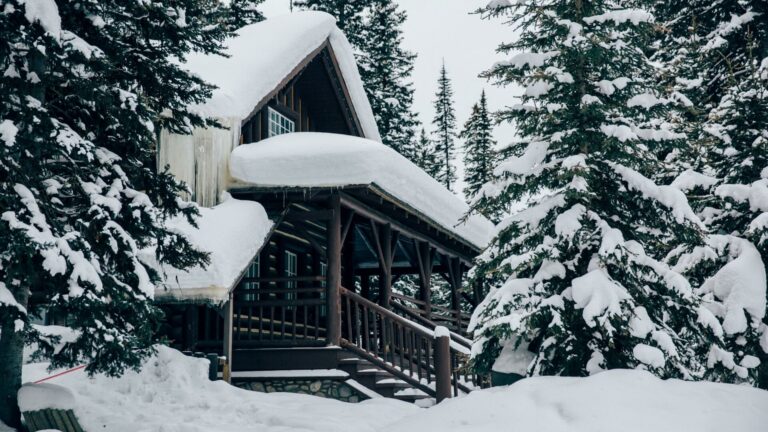
St. Albert embraces “Winter City” design. The city uses artistic lighting displays, maintains the trail systems for cross-country skiing, and hosts the Snowflake Festival to keep the botanical and arts spirit alive during the colder months.
Summary of the St. Albert Cultural Outlook
The St. Albert of 2026 is a masterclass in community branding. By leaning into its identity as the Botanical Arts City, it has created a unique value proposition that transcends standard real estate metrics. It is a city that invites you to breathe deeper, look closer, and participate in a collective creative journey.
Whether you are visiting for the Farmers’ Market, attending a performance at the Arden, or simply enjoying a quiet walk along the Sturgeon River, you are experiencing the results of a century of intentional community building. In St. Albert, the arts aren’t an afterthought—they are the foundation.
Final Thoughts on St. Albert in 2026
As we look forward, St. Albert continues to prove that a city can grow without losing its soul. The “Botanical Arts” identity is the anchor that keeps the city grounded in beauty and creativity, even as the world around it changes. For those lucky enough to call St. Albert home, the city remains a masterpiece in progress.