St. Albert Living: Exploring the 85km Red Willow Trail System (2026 Guide)
St. Albert Living 2026
In the landscape of North American urban planning, few cities have managed to integrate nature as seamlessly as St. Albert, Alberta. Often referred to as the “Botanical Arts City,” St. Albert’s crown jewel is undoubtedly the Red Willow Trail System. What began as a modest series of paths has blossomed into a nearly 100-kilometer paved and natural network that connects every corner of the city. As of 2026, the trail system is more than just a recreational asset; it is the primary artery for local transit, a sanctuary for biodiversity, and the defining feature of the St. Albert lifestyle.
The St. Albert Legacy: A History of the Red Willow Trail System
The vision for the Red Willow Trail System was born decades ago, when St. Albert leaders decided to prioritize the Sturgeon River valley as a public space rather than developing it for private real estate. This foresight has resulted in a continuous greenbelt that prevents urban sprawl from feeling suffocating. In St. Albert, the trail system is a testament to long-term environmental stewardship. In 2026, we see the culmination of the 2018 Master Plan, which has successfully bridged previously disconnected neighborhoods into one cohesive, walkable community.
1. St. Albert Geography: Mapping the 99.5 Kilometers
While many cities boast trails, the St. Albert system is unique in its reach. It covers 99.5 kilometers of diverse terrain, ranging from perfectly smooth asphalt for road cyclists to rugged, winding dirt paths for trail runners and mountain bikers.
The St. Albert River Valley Core
The heart of the system follows the Sturgeon River. This section connects St. Albert Place and the downtown Perron District to major parks like Lions Park and Kingswood Park. It is the most traveled portion of the trail, offering scenic views of the water and easy access to local cafes. +1
The Western Extension to Big Lake and St. Albert
One of the most significant expansions completed by 2026 is the Meadowview Trail connection. This path links the downtown core to the Grey Nuns White Spruce Park and onwards to the shores of Big Lake and the Lois Hole Centennial Provincial Park. This segment is a favorite for St. Albert birdwatchers and those seeking a more “wild” experience.
The St. Albert Northern Loops
In the north, the trails wind through newer communities like Erin Ridge North and Jensen Lakes. These segments are designed with modern commuters in mind, providing wide lanes that accommodate the growing number of E-bikes seen in St. Albert today.
2. St. Albert Recreation: How to Use the Trails
The Red Willow Trail System is designed for multi-modal use. However, with 99.5 kilometers of space, the City of St. Albert has implemented clear etiquette to ensure everyone remains safe and happy.
- Cycling in St. Albert: The paved portions are ideal for road bikes. Cyclists are reminded to use a bell when passing and to maintain a reasonable speed in high-traffic pedestrian zones near St. Albert Place.
- Running and Walking in St. Albert: With markers every 500 meters, the trails are a favorite for marathon trainers. The soft-surface natural paths in Riverlot 56 offer a lower-impact alternative for those looking to protect their joints.
- In-Line Skating and Longboarding: The smooth asphalt through Oakmont and Kingswood provides some of the best surfaces in Alberta for wheeled sports.
3. St. Albert Wildlife: Biodiversity Along the Red Willow
One of the greatest joys of living in St. Albert is the frequent wildlife encounters along the trails. The Sturgeon River acts as a corridor for many species.
- Birdwatching in St. Albert: The trails near Big Lake are internationally recognized as an Important Bird Area. Residents often spot Great Blue Herons, Pelicans, and various species of owls.
- Mammals of St. Albert: It is not uncommon to see white-tailed deer, muskrats, and even the occasional moose wandering the more forested sections of the Red Willow system.
4. St. Albert Wellness: The Healing Garden (Kâkesimokamik)
Located along the trail system in MacMillan Park, the Healing Garden is a significant cultural landmark. Built as part of St. Albert’s commitment to Truth and Reconciliation, it offers a space for reflection and meditation. In 2026, the garden remains a serene destination where the trail system meets historical significance, providing a place for the St. Albert community to pause and heal.
5. St. Albert Winter Life: Trails in the Cold
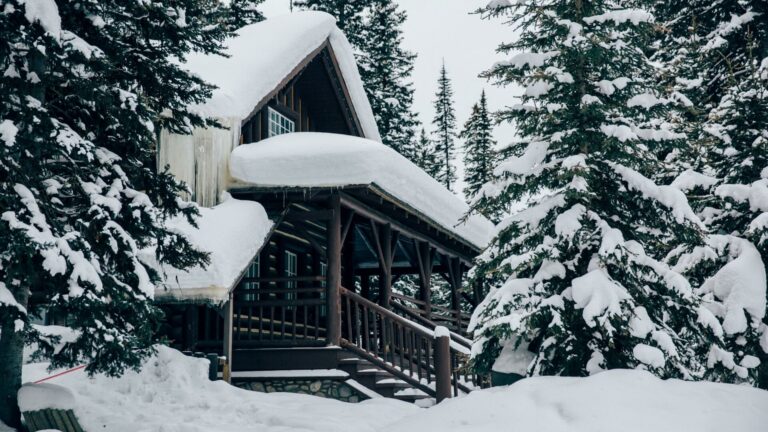
In St. Albert, the trails don’t close when the snow falls. The 2026 winter maintenance policy is the most robust in the city’s history.
- Brush to Broom Service: The primary commuter routes of the Red Willow Trail System are swept to bare pavement within 8 to 24 hours of a snowfall.
- Fat Biking and Snowshoeing: The natural, unpaved loops in St. Albert become a playground for fat-tire cyclists and snowshoers, keeping the city active even at -20°C.
6. St. Albert Connectivity: Trails as Transit
In 2026, the Red Willow Trail System is recognized as a vital piece of St. Albert‘s transportation infrastructure. With the rise of electric scooters and E-bikes, many residents use the trails to commute to the Nakî Transit Centre or downtown Edmonton, avoiding vehicular traffic entirely. The city has added “Trail Hubs” that feature repair stations and maps to support this “Active Transit” movement.
7. St. Albert Safety: Ensuring a Secure Environment
Safety is paramount on the St. Albert trails.
- The St. Albert Ambassador Program: During peak summer months, trail ambassadors patrol the paths to provide directions, basic first aid, and mechanical assistance for cyclists.
- St. Albert Trail Lighting: In 2025 and 2026, the city completed a major LED lighting project along the main river valley corridors, making evening walks safer and more enjoyable.
8. St. Albert Tourism: Visiting the Red Willow
The trail system is a major draw for visitors to St. Albert. Many tourists start at the Enjoy Centre, grab a coffee, and spend an entire afternoon wandering toward the downtown Perron District. The connection between nature and commerce is what makes the St. Albert experience so unique.
9. St. Albert Ecology: Preserving the White Spruce Park
The Grey Nuns White Spruce Park is a protected 12-hectare site within the trail system. These trees are hundreds of years old and represent a rare “climax forest” in an urban setting. The St. Albert trails wind through the edge of this forest with interpretive signage that teaches visitors about the delicate balance of the local ecosystem.
2026 Lifestyle Showdown: Coastal Gridlock vs. St. Albert Trails
| Metric | The Coastal Suburb (GTA / BC) | St. Albert, Alberta |
| Daily Nature Access | Requires 45 – 90 mins of driving | Step out your front door |
| Trail Infrastructure | Fragmented, heavily crowded | 85+ km interconnected paved network |
| Winter Utility | Slushy, unusable sidewalks | Groomed for skiing and fat-biking |
| Retail Gear Taxes | 12% – 13% (Punishing premium) | 5% GST ONLY (0% PST) |
| Monthly Leisure Budget | Decimated by a massive mortgage | Massive surplus (30-Year strategy) |
FAQs
How long is the Red Willow Trail System in St. Albert?
As of 2026, the system has officially reached 99.5 kilometers of connected paths throughout St. Albert.
Are dogs allowed on the St. Albert trails?
Yes, dogs are welcome but must be on a leash at all times. There are several dedicated off-leash parks, such as Lacombe Lake Park, that are accessible directly from the Red Willow system.
Is there a map of the St. Albert trail system?
Yes, interactive maps are available on the City of St. Albert website, and physical “You Are Here” signs are located at major trail intersections.
Are E-bikes allowed on the Red Willow Trail in St. Albert?
Yes, E-bikes (Power Assisted Bicycles) are permitted as long as they are operated at a safe speed and yield to pedestrians, per St. Albert municipal bylaws.
Where are the best places to park to access the St. Albert trails?
St. Albert Place, Lions Park, and Kingswood Park offer the largest parking lots with immediate access to the river valley portion of the system.
Are there public washrooms along the St. Albert trails?
Yes, facilities are available at St. Albert Place, Lions Park, Kingswood Park, and Lacombe Lake Park.
The Future of St. Albert’s Green Spaces
As we look toward 2027 and 2030, the City of St. Albert is exploring further expansions into the far north and south, potentially connecting the Red Willow Trail System to regional networks in Edmonton and Sturgeon County. The goal is to create a seamless “loop” around the entire metropolitan region.
For the residents of St. Albert, the trail system is a source of immense pride. it is where children learn to ride bikes, where athletes train for the St. Albert 10-Mile Road Race, and where seniors enjoy peaceful afternoon strolls. It is the literal and figurative foundation of a healthy, connected St. Albert. Whether you have five minutes or five hours, the Red Willow Trail System invites you to explore the very best of Alberta’s nature, right in your own backyard.