The 2026 Halifax Transit Update: Ferry, Bus, and Bikeability
Halifax Transit Update 2026
For those moving to Halifax in 2026, the transit conversation has shifted from “what is planned” to “what is actually happening.” The city is in the midst of a massive infrastructure growth spurt, aiming to transform from a car-dependent coastal town into a multi-modal transit hub.
However, growth is messy. 2026 is a year of transition, characterized by visible construction pains, strategic delays, and a few major wins for the active commuter. If you are choosing a neighborhood based on your commute, you need to look past the glossy renderings and understand the unfiltered reality of getting around Halifax this year.
1. The Ferry Network: A “Maintenance Year”
The harbour ferry is the jewel of Halifax transit—it is scenic, reliable, and iconic. But for those banking on the ferry network expanding to solve their commuting woes, 2026 has delivered a reality check.
The Mill Cove (Bedford) Delay
For years, real estate listings in Bedford have teased the “Future Fast Ferry.” In 2026, we now know that future is further away than anticipated.
- The Status: The highly anticipated high-speed ferry from Bedford (Mill Cove) to Downtown Halifax has faced significant timeline adjustments. Originally slated to be operational closer to 2027/28, updated projections due to ballooning terminal costs ($260M+) have pushed the realistic launch window to late 2030 or 2031.
- The Real Estate Impact: If you are buying in Bedford South or the Bedford Waterfront specifically for the ferry commute, stop. You must be prepared to drive the notorious Bedford Highway or take the #8 bus for at least another 4–5 years. Do not pay a “ferry premium” today for a service arriving next decade.
The Alderney & Woodside Workhorses
The existing connections between Dartmouth and Halifax remain the most consistent way to cross the harbour.
- Service Reliability: While generally excellent, early 2026 has seen reduced service frequency (30-minute intervals vs. 15-minute peaks) on the Alderney Landing route due to unscheduled maintenance on aging vessels like the Vincent Coleman.
- The “Bridge Hack”: When the Macdonald Bridge is backed up (a common 5:00 PM occurrence), the Woodside Ferry remains the best-kept secret for commuters living in Eastern Passage or Cole Harbour.
2. The Bus System: Detours & The “Rapid” Future
The Moving Forward Together Plan continues to reshape the bus network, but major infrastructure projects are currently impacting flow downtown.
The “Construction Detour” Reality
2026 is the year of the orange cone.
- Cogswell District: The massive redevelopment of the Cogswell Interchange is entering a critical phase of reconnecting the street grid. While the end result will be a more walkable downtown, the current reality involves confusing detours for routes entering the core (like the #1, #2, and #10).
- The Tech Solution: If you rely on paper schedules, you will be late. The HFXGO app (and apps like Transit) are no longer optional; they are essential for tracking real-time detour delays.
The BRT Vision (Bus Rapid Transit)
While we don’t have a subway, Halifax is betting big on BRT—buses that act like trains with dedicated lanes and priority signals.
- The 2026 Status: We are currently in the “Lane Protection” phase. You will notice new “Bus Only” lanes popping up on corridors like Robie Street and Young Street.
- The Winners: Commuters from Clayton Park and Spryfield are seeing marginally faster commute times during peak hours thanks to these “queue jump” lanes that allow buses to bypass general traffic congestion.
3. Bikeability: The “AAA” Network Expands
If there is a clear winner in 2026, it is the cyclist. The All Ages and Abilities (AAA) network is finally connecting the dots, making biking a viable commute option rather than an extreme sport.
The Critical Connectors
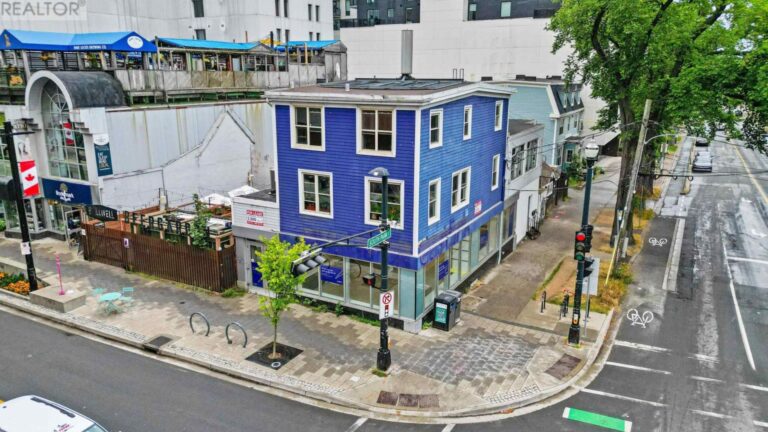
- George Street Connector: A major win for 2026 is the George Street Protected Bike Lane. This finally creates a safe, bi-directional link from the Halifax Ferry Terminal up to Grand Parade/Barrington Street. Previously, cyclists were dumped into heavy traffic upon exiting the ferry; now, there is a protected “green carpet.”
- The Macdonald Bridge Approach: Work is accelerating to improve the “landing” on the Dartmouth side, aiming to make the transition from the bridge bikeway to the Wyse Road bike lanes less intimidating.
The E-Bike Boom
Halifax is hilly. In the past, this limited cycling to the ultra-fit. In 2026, the e-bike has flattened the city.
- Storage Standards: You will notice that “Secure Bike Storage” is now a standard amenity in new condo builds in the North End and Dartmouth. If you are viewing a condo without a bike room, it is already outdated.
4. 2026 Transit Winners & Losers
Based on the current state of infrastructure, here is how the neighborhoods stack up for commuters this year.
The Winners (Buy Here for Ease)
- Downtown Dartmouth: With the ferry terminal and the “Bridge Terminal” bus hub, you have redundant options. If the bridge is jammed, you take the boat. If the boat is down, you take the bus.
- North End Halifax: The density of bus routes and the new bike lanes make a car-free life genuinely easy here.
- Fairview: Its proximity to the peninsula and improved express bus routes make it a strategic “middle ground” for transit users.
The Watch Zones (Buy Here with Caution)
- Bedford West / Larry Uteck: These areas are growing faster than the transit network can keep up. Buses are often standing-room only by the time they reach these stops, and the ferry relief is still years away.
- Outer Sackville: While the express buses are good, they are subject to the same highway gridlock as cars. If there is an accident on the #102 highway, your commute time doubles.
2026 Commuter Snapshot
| Mode | Status | 2026 Outlook |
| Ferry (Alderney) | Operational | Stable, occasional maintenance delays. |
| Ferry (Bedford) | DELAYED | Do not plan on this for 2026-2029. |
| Bus (Corridor) | Active | Heavy Detours downtown; trust the app. |
| Cycling (AAA) | Expanding | Best Year Yet for protected lanes. |
| Driving | Congested | Bridge Tolls remain; traffic increasing. |
Halifax Transit FAQs
Contact us to receive our “Commuter’s Cheat Sheet”
Is the Mill Cove Ferry cancelled?
No, but it is significantly delayed. Costs have ballooned to nearly $269 million due to terminal design complexity, pushing the completion date to ~2030. The project is still a “go,” but it is a long-term play, not a short-term fix.
Can I take my e-bike on the ferry?
Yes. Halifax Transit ferries allow bicycles (including e-bikes) for free. However, there is a capacity limit (usually 6-8 bikes per crossing), so rush hour (8:00 AM) can be competitive.
How do I pay for transit in 2026?
The HFXGO mobile app is the new standard. You can purchase tickets and monthly passes directly on your phone and scan them upon boarding. Paper tickets and cash (exact change, $3.00) are still accepted but are becoming less common.
Is the bus reliable in winter?
Halifax Transit implements “Snow Routes” during severe weather. If you live on a steep hill (common in areas like Cowie Hill or Flamingo Drive), your bus may be diverted to a main road during a storm. Always check the snow plan for your specific route before buying a home on a hill.
What about the “MacPass” for the bridges?
If you drive, you need a MacPass. It is a transponder that auto-deducts the toll ($1.00 – $1.25). Cash lanes still exist, but they are slower and cost more. You can now use the MacPass at the Cobequid Pass and the Confederation Bridge (PEI) as well, making it a handy tool for regional travel.
Need a home within 15 minutes of your office? We map commute times for every listing we send—factoring in the actual 2026 detours, not just the theoretical distance. Contact us to start your transit-optimized home search today.