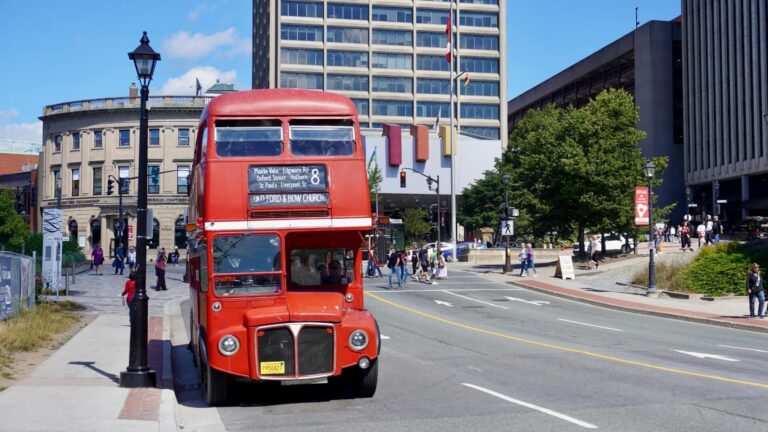
Dartmouth vs. Halifax: Breaking the “Dark Side” Stigma
Dartmouth vs Halifax 2026
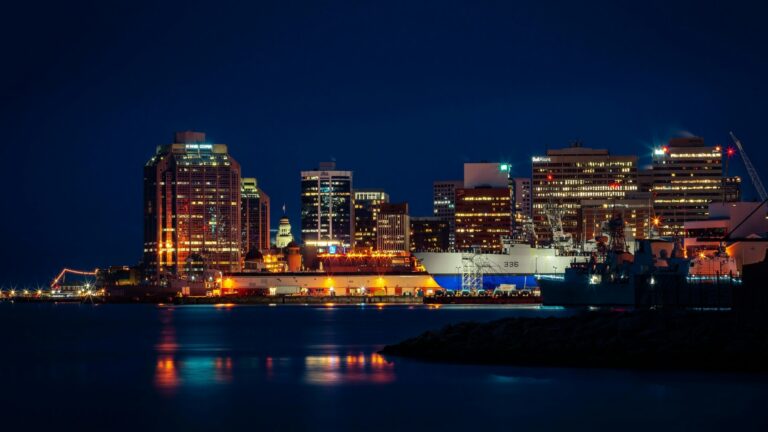
For decades, Haligonians have lovingly (and sometimes derisively) referred to Dartmouth as the “Dark Side.” The joke was simple: once you crossed the bridge, the lights went out, the fun stopped, and you were just in a dormitory for the “real city.”
In 2026, that stigma isn’t just outdated—it’s laughably wrong.
Dartmouth has undergone a massive cultural and economic renaissance. With the Downtown Dartmouth Waterfront Revitalization nearing its final phases this year and a surge of “hipster” businesses taking over Portland Street, Dartmouth is no longer the runner-up. For many 2026 buyers, it is the first choice.
Here is the honest breakdown of the Halifax vs. Dartmouth debate in 2026.
1. The Price Tag: The $100k “Bridge Discount”
The primary driver for the Dartmouth migration remains affordability, though the gap is closing.
- Halifax Peninsula: In 2026, a detached home in the West End or South End averages $850,000 to $1.2M. You are paying for the “walk-to-work” privilege.
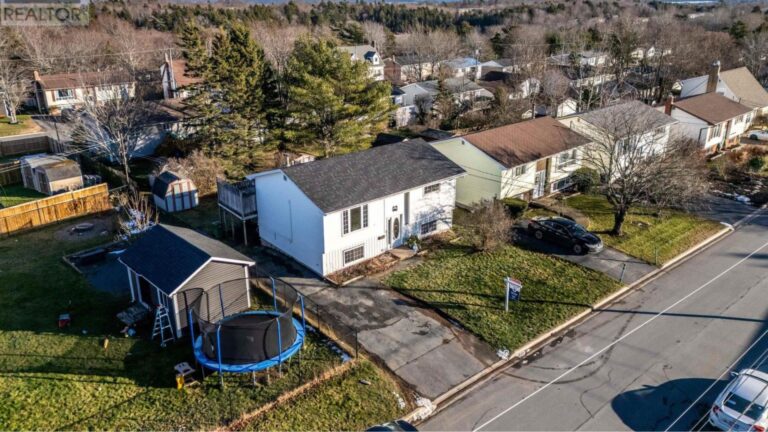
- Dartmouth Core: A comparable character home in Crichton Park or Downtown Dartmouth sits in the $650,000 to $800,000 range.
- The Value Play: Moving further out to Cole Harbour or Eastern Passage still allows you to find detached starter homes in the $450k – $550k range—a price point that has effectively vanished from the Halifax side.
2. The Vibe Shift: Portland Street is the New Argyle
Ten years ago, you went to Halifax for dinner. Today, Haligonians are taking the ferry to Dartmouth for the food scene.
- The “Hipster” Hub: Downtown Dartmouth (Portland Street) is packed with high-end cideries, vinyl record bars, and farm-to-table restaurants. It feels younger, scrappier, and more authentic than the polished tourist hubs on the Halifax waterfront.
- 2026 Revitalization: The massive Waterfront Revitalization Project, slated to wrap up its current phase in late 2026, is extending the boardwalk and adding “pedestrian-first” gathering spaces that rival the Halifax side.
3. The Commute: Boat vs. Bridge
This is the single biggest lifestyle difference.
- The Ferry (Dartmouth’s Superpower): Commuting from Alderney Landing or Woodside is arguably the best commute in Canada. It costs $3.00, takes 12 minutes, and serves coffee. Even with the early-2026 maintenance schedule (30-minute intervals), it remains more reliable than driving.
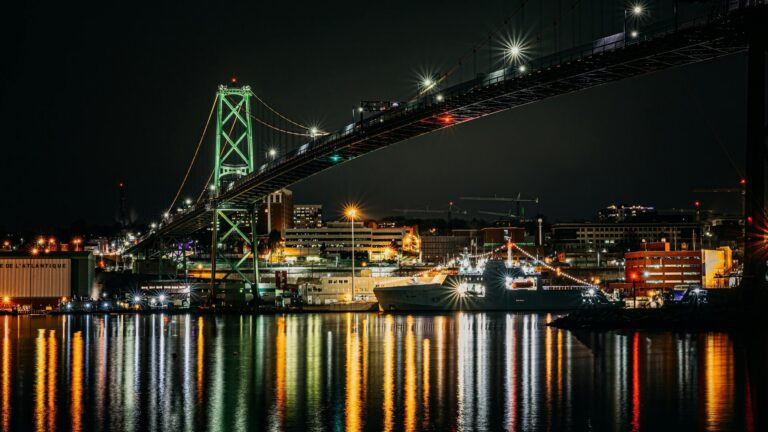
- The Bridges (The Bottleneck): If you live in Dartmouth but work in Halifax and need your car, you are at the mercy of the Macdonald and MacKay Bridges. In 2026, a single fender-bender at 8:00 AM can still paralyze the network. If you choose Dartmouth, try to live near a ferry terminal.
4. Nature: Ocean vs. Lakes
Halifax is an Ocean City; Dartmouth is the City of Lakes.
- Dartmouth: It has 23 lakes within its boundaries. You can kayak on Lake Banook, swim in Lake Micmac, or walk the trails of Shubie Park (the jewel of the HRM park system) without ever leaving the suburbs.
- Halifax: It offers the grand, salty Atlantic experience (Point Pleasant Park, the Northwest Arm), but you often have to drive 20+ minutes out to scenic spots like Crystal Crescent Beach to really “use” the water.
5. 2026 “Watch Zones”
Crichton Park (Dartmouth): High demand due to its proximity to the bridge and “tree-lined street” vibe that mimics the Halifax West End.
The Hydrostone (Halifax): Still the most charming neighborhood in the city, but inventory is historically low in 2026.
Woodside (Dartmouth): The emerging “value pocket.” It has its own ferry terminal and is seeing a wave of first-time buyers renovating older post-war bungalows.
Dartmouth vs. Halifax Comparison Table (2026)
| Feature | Halifax (Peninsula) | Dartmouth (The “Dark Side”) |
| Avg. Detached Price | $850k+ | $650k+ |
| Vibe | Historic, Academic, Bustling | Hip, Community, “Lake Life” |
| Best Commute | Walk / Bike / Bus | Ferry (Scenic) |
| Top Amenity | The Waterfront Boardwalk | Shubie Park & Lake Banook |
| Parking | Expensive & Scarce | Plentiful & Mostly Free |
Making the Choice FAQs
Contact us to receive our “Bridge vs. Boat”
Is Dartmouth safe?
Yes. Like any city, it has pockets to watch, but neighborhoods like Crichton Park, Portland Hills, and Downtown Dartmouth are incredibly safe and family-friendly. The “rough” reputation is largely a relic of the 1990s.
Can I live in Dartmouth without a car?
In Downtown Dartmouth, yes. You can walk to the grocery store, the pharmacy, and the ferry. However, once you move out to areas like Cole Harbour or Burnside, a car becomes essential.
Which side has better weather?
Believe it or not, Dartmouth often has slightly better weather. It is inland enough that it gets less fog than the Halifax coastline. It’s not uncommon to drive across the bridge from a foggy Halifax into a sunny Dartmouth morning.
Are the schools better in Halifax?
Historically, the South End of Halifax had the most prestigious schools. However, Dartmouth high schools like Dartmouth High and Prince Andrew (Woodlawn) have excellent reputations for arts and athletics, respectively.
Why is it called the “Dark Side”?
It originally referred to the fact that streetlights were scarce in Dartmouth compared to Halifax in the early 20th century. Today, locals wear the nickname as a badge of honor—you’ll even see “Dark Side” t-shirts and craft beers sold on Portland Street.
Still torn between the bustling Peninsula and the booming Dark Side? We can set up a “Two-City Tour” where we view homes on both sides of the bridge in a single afternoon. Contact us to book yours.