The Hidden Costs of Buying Canada Real Estate: A 2026 Budgeting Guide
The Hidden Costs of Buying Canada Real Estate 2026
In the 2026 Canadian real estate market, transparency is your greatest financial asset. As the market has moved into a “balanced” state, the margin for error in your personal budget has slimmed. Buying a home is not just about the mortgage payment; it is about the “Total Cost of Acquisition.” From updated digital land registry fees to the 2026 green-home inspection requirements, failing to account for hidden costs can turn a dream move into a financial nightmare.
Buying with a “Full-Picture” Financial Strategy
When you begin the process of buying, the first number you likely see is the list price. However, in 2026, savvy buyers use the “Price Plus Five” rule—budgeting an additional 5% of the purchase price to cover the friction costs of the transaction. In a balanced market, where price negotiations are more common, having this liquid cash available can be the difference between closing a deal and having it fall through at the lawyer’s office.
Buying and the Impact of Land Transfer Taxes (LTT)
The most significant “hidden” cost in most Canadian provinces (with the notable exception of Alberta and parts of Saskatchewan) is the Land Transfer Tax.
- The 2026 Reality: Several municipalities have adjusted their LTT brackets to account for higher property valuations.
- The “Double Hit”: If you are buying in Toronto, you are subject to both Provincial and Municipal Land Transfer Taxes. On a $1,000,000 home, this can exceed $32,000—cash that must be paid upfront and cannot be rolled into your mortgage.
- The Alberta Advantage: In 2026, Edmonton and Calgary remain the top destinations for buyers because they only charge nominal land title registration fees, saving buyers tens of thousands of dollars.
Buying Professional Expertise: Legal Fees and Disbursements
Buying real estate is a legal transfer of a massive asset, and in 2026, legal “disbursements” (the costs your lawyer incurs on your behalf) have risen due to increased digital filing fees.
- Legal Fees: Expect to pay between $1,000 and $2,500 for a standard residential closing.
- Disbursements: These include title searches, tax certificates, and shipping fees.
- Estoppel Certificates: If you are buying a condo, you will need an Estoppel Certificate (roughly $100–$300) which proves the current owner isn’t behind on their fees.
Buying a Home Inspection in the 2026 Climate
In the “frenzy” of the early 2020s, many buyers skipped inspections to win bidding wars. In the 2026 balanced market, skipping an inspection is considered a massive financial risk.
- General Inspection: $500–$800.
- Specialized Scopes: In 2026, “Sewer Scopes” and “Radon Testing” have become standard in many Canadian regions. Radon, in particular, is a growing concern in the prairies and Atlantic Canada. Budget an extra $300 for these tests.
- Energy Audit: With 2026 carbon taxes and rising utility costs, many buyers pay $400 for an energy audit to see how much they will spend on heating and cooling before they commit.
Buying and the “Adjustments” Phase
On closing day, your lawyer will present a “Statement of Adjustments.” This is where many buyers get caught off guard.
- Property Tax Adjustments: If the seller has already prepaid their property taxes for the entire year, you must reimburse them for the portion of the year you will own the home. This can easily be $2,000 to $4,000.
- Utility Credits: Similar to taxes, if there is fuel in an oil tank (common in rural or East Coast homes) or prepaid water bills, you must settle that balance on closing.
Buying Title Insurance: Your 2026 Safety Net
Title insurance is a one-time premium paid at closing. In 2026, as digital fraud and “title theft” have become more sophisticated, title insurance is no longer optional for most lenders. It protects you against:
- Survey errors or encroachments.
- Undisclosed liens on the property.
- Existing work orders or zoning violations.
- Cost: Usually around $250 to $600 depending on the property value.
Buying New Construction: The GST/HST Trap
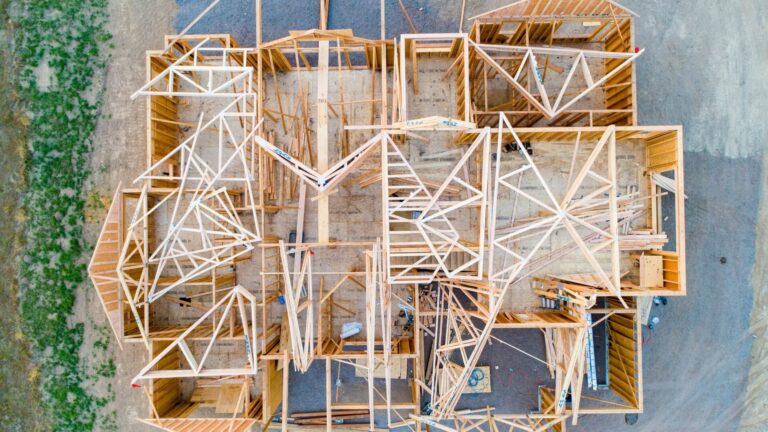
If you are buying a brand-new home from a developer in 2026, the hidden costs can be staggering.
- The Tax: New homes are subject to GST (5%) or HST (up to 15% in some provinces).
- The Rebate: Ensure you know if the “New Housing Rebate” is already included in the price or if you have to apply for it later.
- Development Charges: Many builders pass “Levies” or “Development Charges” onto the buyer at the last minute. These can range from $5,000 to $20,000 for infrastructure like parks and schools. Always have your lawyer review the builder’s contract for a “Cap on Levies.”
Buying the “Soft Costs” of Moving
Once you have the keys, the costs don’t stop.
- Moving Companies: In 2026, a local move for a 3-bedroom house costs between $1,500 and $3,000. An inter-provincial move can exceed $10,000.
- Utility Connection Fees: Setting up new accounts for internet, power, and gas often involves “activation fees” of $50–$100 per service.
- Immediate Maintenance: Budget 1% of the home’s value for immediate “personalization” and repairs (locks re-keyed, duct cleaning, carpet steaming).
Buying Interest Rate Protections: Appraisal Fees
When buying with a mortgage, your lender will require an appraisal to ensure the home is actually worth what you are paying.
- Cost: $300–$500.
- The Risk: In 2026, if the appraisal comes in lower than your purchase price, you must cover the “gap” in cash. This is why having a contingency fund is vital.
2026 Hidden Costs Showdown: The Coast vs. Alberta
| Hidden Cost Metric | The Coastal Grind (GTA / BC) | The Alberta Wealth Transfer |
| Asset Value | $1.2M+ (Cramped / Aging) | $550K (Massive / Modern) |
| Land Transfer Tax | $20,000 – $40,000+ (Lost cash) | $0 (Nominal registration fee only) |
| CMHC Insurance | Often forced to pay premium | Easily bypassed via 20% down |
| Sales Tax on Furnishings | 12% – 13% (Punishing retail costs) | 5% GST ONLY (0% PST) |
| Monthly Cash Flow | Negative / Drowning in debt | Massive monthly surplus (30-Year play) |
FAQs
What is the single biggest hidden cost in Canada?
For most Canadians (excluding Albertans), it is the Land Transfer Tax. On an average Canadian home price of $700,000, the LTT can range from $10,000 to $20,000 depending on the province and city. It must be paid in cash—you cannot borrow this money as part of your mortgage.
Do I have to pay GST on a “used” home?
No. GST/HST only applies to brand-new constructions or homes that have undergone “substantial renovation” (usually 90% or more of the home was rebuilt).
What are “Disbursements” on my lawyer’s bill?
Disbursements are out-of-pocket expenses your lawyer pays to third parties to complete your transaction. This includes the cost of pulling your title, obtaining a tax certificate from the city, and the registration fees for your mortgage. In 2026, these usually total between $500 and $900.
How much should I budget for home insurance?
In 2026, climate-related risks (fire and flood) have caused insurance premiums to rise. For a standard detached home, budget $1,200 to $2,500 per year. You will need to show proof of insurance to your lawyer before the lender will release the mortgage funds.
Is there a “First-Time Buyer” break on hidden costs?
Yes. Many provinces and the federal government offer Land Transfer Tax rebates and the “First-Home Savings Account” (FHSA) to help offset these costs. However, in high-priced markets like Vancouver or Toronto, the rebates often only cover a small fraction of the total tax bill.
What is an “Estoppel Certificate” or “Status Certificate”?
If you are buying a condo or a home with an HOA, this document is vital. It outlines the financial health of the corporation. It tells you if there are lawsuits, if the reserve fund is low, or if a “Special Assessment” (a surprise bill for repairs) is coming. Buying without reviewing this is the biggest mistake a condo buyer can make in 2026.
Buying Conclusion: Your 2026 Budget Checklist
Before you sign your “Agreement of Purchase and Sale,” ensure you have the following funds set aside in a liquid savings account:
- The Deposit: 5% of the purchase price (paid when the offer is accepted).
- Land Transfer Tax: Calculate based on your specific province/city.
- Legal Fees/Disbursements: $2,500.
- Inspection/Appraisal: $1,200.
- Adjustments Buffer: $3,000.
- Moving/Immediate Setup: $5,000.
Buying real estate in Canada in 2026 is a rewarding investment, but only if you are prepared for the full financial commitment. By accounting for these hidden costs early, you ensure that your first month in your new home is spent celebrating your purchase rather than stressing over unexpected invoices.