Buying Canada Real Estate for Retirement: Downsizing in a Balanced Market (2026 Guide)
Buying Canada Real Estate for Retirement 2026
For many Canadians, the family home is more than just a shelter; it is the largest asset in their retirement portfolio. In 2026, we are seeing a “Great Rebalancing.” After years of frantic price surges, the market has cooled into a state where buyers and sellers have roughly equal leverage. This is the ideal window for retirees to capitalize on their equity without the stress of bidding wars or “blind” buying.
1. Buying into the Philosophy of Downsizing in 2026
Downsizing in the modern era is no longer just about “getting smaller.” It is about Right-Sizing. In 2026, retirees are prioritizing functional luxury, accessibility, and community over raw square footage. The philosophy has shifted from “What can I fit into this house?” to “How does this house fit my future lifestyle?”
Buying a retirement home today requires a focus on “aging in place” designs—homes with wider hallways, main-floor primary suites, and zero-threshold entries. As the Canadian population ages, these features are not just conveniences; they are essential for long-term property value.
2. Buying in a Balanced Market: The 2026 Economic Landscape
What does a “balanced market” actually mean for a retiree in 2026?
- Inventory Levels: National inventory has stabilized at approximately 4.5 to 5 months of supply. This means you have more time to view properties and perform due diligence.
- Price Predictability: We are seeing steady, inflationary growth of 2–4% per year, rather than the double-digit volatility of the early 2020s. This allows for more accurate retirement planning.
- Interest Rate Stability: While rates are higher than the historic lows of 2021, the 2026 landscape features stabilized “neutral” rates. For retirees, this means better returns on GICs and fixed-income investments, which can help supplement a smaller mortgage or a cash purchase.
3. Buying Strategies for the Modern Canadian Retiree
When you are moving from a large detached home to a smaller footprint, the “Buy” side of the transaction is only half the battle.
Buying with Equity: The Cash-Out Strategy
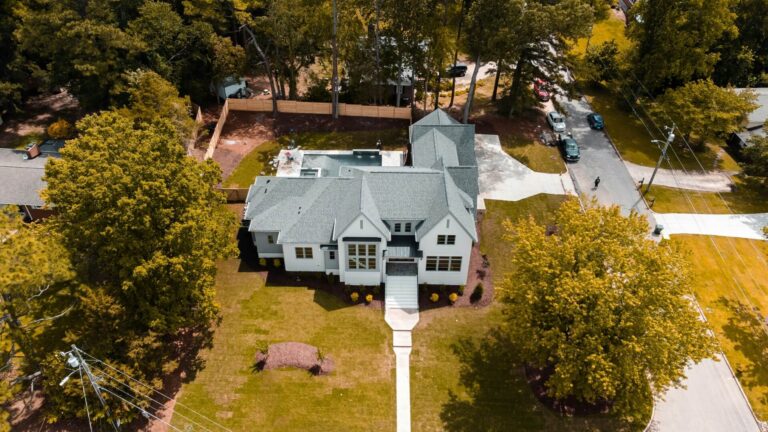
Most downsizers in 2026 are “Equity Rich.” If you are selling a home in the GTA or Lower Mainland and moving to a more affordable hub like Edmonton, Calgary, or the Maritimes, you may be buying your retirement home with 100% cash.
- The Benefit: Eliminating a monthly mortgage payment significantly lowers your “burn rate” in retirement.
- The Risk: Ensure you keep enough liquidity for healthcare costs and travel. Don’t “over-buy” on the new property just because you have the cash available.
Buying a Lifestyle: Condos vs. Bungalows
The 2026 market offers a wealth of choices.
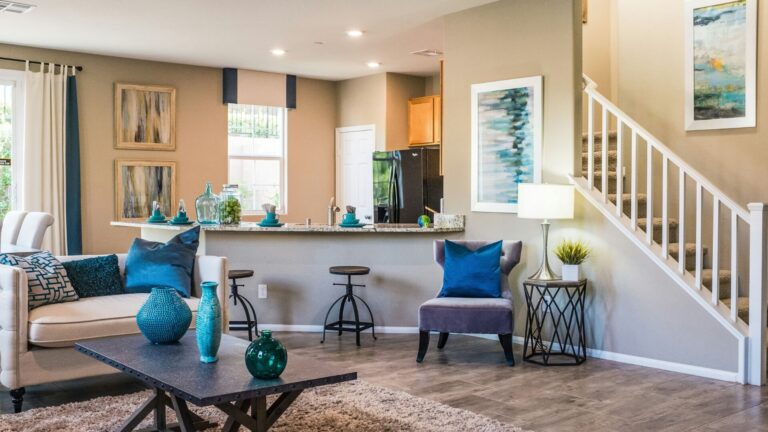
- Buying a Condo: Ideal for “lock-and-leave” travelers. Look for buildings with high “reserve funds” to avoid special assessments.
- Buying a Bungalow: The “Gold Standard” for Canadian retirement. Because they are in high demand and low supply, bungalows in mature neighborhoods often hold their value better than any other asset class.
4. Buying and the Logistics of the “Simultaneous Close”
One of the biggest stresses for retirees is the “bridge” between selling the old home and buying the new one. In a balanced market, “Subject to Sale” clauses are making a comeback.
- The Advantage: You can make an offer on your dream retirement home that is contingent on you selling your current home.
- The 2026 Reality: While sellers are more open to this than they were two years ago, a “clean” offer (no sale contingency) still carries more weight.
5. Buying in the Most Affordable Retirement Hubs of 2026
Where are Canadians moving? The 2026 migration data shows a clear trend toward “Secondary Cities” that offer high-quality healthcare and lower property taxes.
- Buying in Edmonton, AB: The top choice for retirees seeking the “Alberta Advantage” (no PST, lower taxes). You can buy a luxury bungalow here for half the price of a standard condo in Toronto.
- Buying in Nanaimo, BC: For those who want the West Coast lifestyle without Vancouver prices. The mild climate is a huge draw for those with mobility concerns.
- Buying in Kingston, ON: A “University Town” that offers incredible healthcare facilities and a vibrant walking culture along the waterfront.
- Buying in Halifax, NS: The Atlantic jewel. 2026 has seen a surge in “New-Urbanist” developments in Halifax that cater specifically to the 65+ demographic.
6. Buying with an Eye on Accessibility (The “Universal Design” Check)
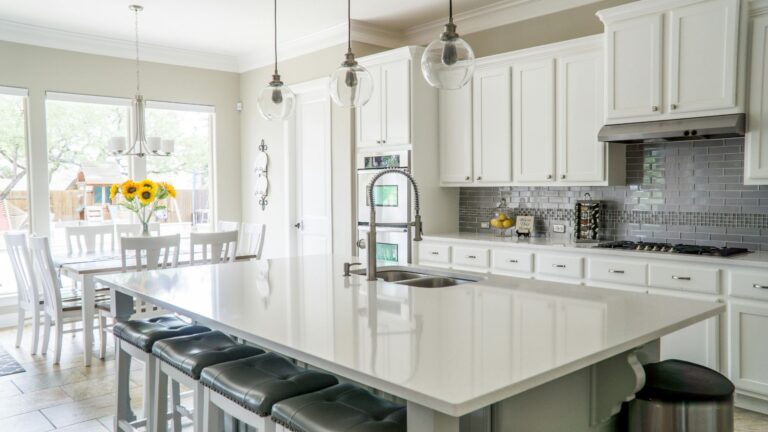
When buying your “forever” retirement home in 2026, you must look past the granite countertops. Evaluate the home for:
- The 36-inch Rule: Are the doors wide enough for a walker or wheelchair if needed in the future?
- Lighting: Older eyes need better lighting. Are there large windows and integrated LED systems?
- Low Maintenance: Is the yard manageable, or does the HOA/Condo Board handle snow removal and lawn care? (Buying a “maintenance-free” lifestyle is the #1 goal of 2026 downsizers).
7. Buying and Taxation: The 2026 Retirement Tax Environment
Before buying, consult with a tax professional regarding:
- Principal Residence Exemption: Ensure your sale qualifies so you keep 100% of your capital gains.
- Property Tax Grants: Many provinces, such as BC and Alberta, offer property tax deferral programs or grants for seniors.
- GST on New Builds: If buying a brand-new retirement villa, ask if the GST is included or if you qualify for a rebate.
2026 Downsizing Showdown: Coastal Condo vs. Interprovincial Bungalow
| Metric | The Coastal Downsize (GTA / BC) | The Alberta Downsize |
| Purchase Price | $800K – $1M+ | ~$400K – $550K |
| Asset Type | Cramped 2-Bed High-Rise | Sprawling Main-Floor Bungalow/Duplex |
| Maintenance Fees | $600 – $1,000+ monthly (Rising) | $0 – $200 (Stable HOA/Fee-Simple) |
| Land Transfer Tax | $25,000+ lost on closing | $0 (Nominal registration fee) |
| Retained Liquid Wealth | Minimal to none | Massive cash reserves unlocked |
FAQs
Should I sell my current home before buying a new one?
In the 2026 balanced market, the answer is usually yes. Because homes are taking an average of 45–60 days to sell, knowing exactly how much cash you have from your sale puts you in a much stronger position when buying your next property. It eliminates the need for expensive “bridge financing.”
Is it better to rent or buy in retirement?
In 2026, buying remains the preferred choice for most Canadians because it provides “housing certainty.” Rent increases can outpace fixed retirement incomes (like CPP/OAS). Buying a home with a fixed cost (or no mortgage) protects you against inflation.
How do I choose a retirement community?
Look at the “Walk Score.” As we age, the ability to walk to a pharmacy, grocery store, or coffee shop becomes vital for mental and physical health. When buying, visit the neighborhood at different times of the day to check for noise and safety.
Can I use my RRSP/RRIF to buy a retirement home?
While you can withdraw funds, they are usually taxed as income. However, in 2026, many retirees are using the First-Home Savings Account (FHSA)—if they haven’t owned a home in 4 years—or simply utilizing the massive equity from their current home to avoid touching their registered investments.
What is “Co-Housing” for seniors?
A growing trend in 2026 is “co-buying” with friends or family. This involves buying a larger property with separate legal suites. It allows for social connection and shared maintenance costs while maintaining privacy.
Buying Conclusion: The 2026 Success Roadmap
- Declutter Early: Start the “selling” process six months before you plan to buy.
- Audit Your Health: Choose a location within 15 minutes of a major hospital.
- Financial Stress Test: Ensure your new lifestyle is sustainable even if interest rates fluctuate or the cost of living rises.
- Embrace the Balance: Take advantage of the 2026 market’s slower pace. Don’t rush. The right home is waiting for you.
Buying real estate for retirement is the final chapter in your professional financial journey. By choosing a market like Edmonton or a balanced region in 2026, you ensure that your golden years are spent enjoying your wealth, not just managing a house that has become too big for your needs.