Beyond the Beach: Surviving Kelowna’s “Grey” Winters
Kelowna Grey Winters
When you Google “Kelowna,” you see vineyards, wakeboards, and sun-drenched patios. It is the “California of Canada”—until November hits.
Then, the curtain falls.
For newcomers, the biggest shock isn’t the cold (it’s actually quite mild compared to the Prairies or Eastern Canada); it is the Grey. From mid-November to late January, the Okanagan Valley is often blanketed by a thick, stubborn layer of cloud known as the “Valley Cloud” or inversion.
If you are moving here for the lifestyle, you need to know that the winter version of Kelowna is a different beast than the summer version. But here is the secret locals know: You don’t just survive the Grey; you can actually learn to love it.
Here is the 2026 survival guide to thriving in Kelowna when the beach is closed.
1. The Science: Why is it so Grey?
It isn’t bad luck; it’s geography.
- The Inversion: Cold air is heavier than warm air. In winter, cold air sinks to the bottom of the valley (where the lake and city are) and gets trapped by a layer of warmer air above. This trap holds moisture and clouds in place, creating a “lid” over the city.
- The Result: Downtown Kelowna can be socked in with low cloud and hovering around 0°C for weeks, while the mountains above are basking in brilliant sunshine and +5°C temperatures.
2. Strategy #1: The “Elevation Escape”
The most important rule of Kelowna winter is: If you can’t see the sun, go up.
You don’t need a plane ticket; you just need a car. Because the cloud layer is often low (around 1,000 to 1,500 meters), you can physically drive out of it.
- Telemark Nordic Club: Even if you don’t ski, driving 45 minutes up Highway 33 is a mental health necessity. You will pop through the clouds and suddenly be in a bluebird paradise. Many locals buy a season pass just for the “sun access,” enjoying a coffee or a beer on a patio at the village while the city below is grey.
- Telemark Nordic Club: Located in West Kelowna, this cross-country ski and snowshoe area is often right at the cloud line. It’s a cheaper, closer alternative to get your Vitamin D fix.
3. Strategy #2: Embrace the “Cozy” Culture
Since you can’t rely on the sun, Kelowna has developed a thriving indoor culture that rivals big cities.
- The North End Brewery District: In 2026, the area around Richter and Clement has exploded. It’s no longer just industrial warehouses; it’s a walkable district of breweries (Red Bird, Vice & Virtue), cideries, and cozy taprooms. They are designed for winter, with fireplaces, board games, and hearty food.
- The Coffee Scene: The “Third Wave” coffee movement is strong here. Spending a grey Saturday morning in a bright, plant-filled cafe like Sprout or Bright Jenny is a local ritual.
4. Strategy #3: The “Dry” Advantage
Here is the silver lining: It rarely rains. Unlike Vancouver, where “grey” means “wet and miserable,” Kelowna’s grey is usually dry.
- The Activity: You can still hike Knox Mountain or walk the Mission Creek Greenway in January without getting soaked. The trails are often dry or packed snow, meaning your active lifestyle doesn’t have to stop. You just swap the paddleboard for trail runners.
- The Temperature: It rarely drops below -10°C in the city. You don’t need a parka worthy of the Arctic; a good wool coat and a toque are usually enough.
5. The Real Estate Angle: Buying for Light
If you are buying a home in Kelowna, the winter months should dictate your choice as much as the summer ones.
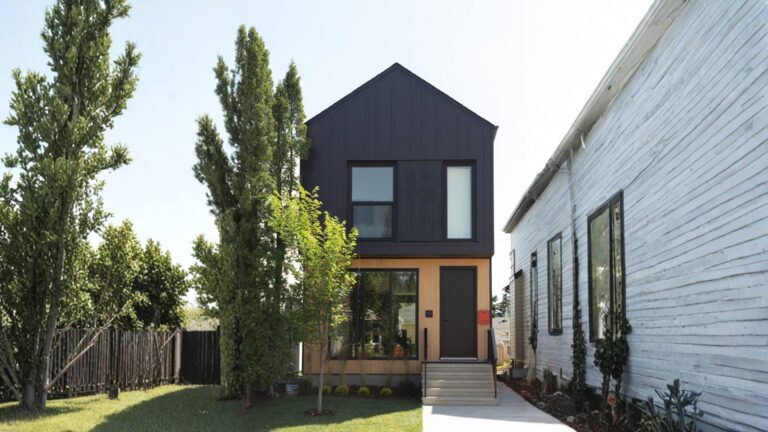
- South-Facing Windows: This is non-negotiable. A home with massive south-facing windows will capture whatever weak light exists and warm your home passively.
- The “View” Trap: Be careful buying a home strictly for the “lake view” if it’s on the north side of a mountain (e.g., some parts of Glenmore). In winter, these pockets can feel significantly darker and colder.
- Elevation Matters: Homes in higher neighborhoods like Dilworth Mountain, Black Mountain, or the upper reaches of Wilden are occasionally above the fog line. You might wake up to sun while downtown is in the soup.
6. The 2026 Winter Event Calendar
The city has realized it needs to keep people entertained.
- Dine Around (Jan/Feb): Over 50 restaurants offer set-menu deals. It’s the perfect excuse to leave the house.
- Kelowna Rockets Games: The WHL team is the heartbeat of the city in winter. Prospera Place is loud, fun, and a great place to gather when it’s dark at 4:30 PM.
Kelowna Winter vs. The Rest of Canada
| Feature | Kelowna | Vancouver | Calgary | Toronto |
| Precipitation | Dry / Light Snow | Heavy Rain | Dry Snow | Wet Snow / Slush |
| Temperature | Mild (-2°C to +4°C) | Mild (+5°C) | Cold (-10°C to -20°C) | Cold (-5°C to -10°C) |
| Sunshine | Low (Inversion) | Low (Rain clouds) | High (Sunny & Cold) | Moderate |
| Snow on Ground | Intermittent | Rare | Permanent | Slushy |
Kelowna Winter FAQs
Contact us to receive our “Winter Sun Map”—a guide to the neighborhoods and elevations that break the cloud layer most often.
Do I need winter tires?
Yes. Even if the city roads are dry, if you plan to drive “up” to Big White, the Coquihalla, or even just the upper neighborhoods like Black Mountain, winter tires (with the Snowflake symbol) are mandatory by law on highways and essential for safety.
Is it depressing?
It can be if you don’t manage it. Seasonal Affective Disorder (SAD) is real here. Locals combat it by taking Vitamin D supplements, using “Happy Lights” in their home offices, and prioritizing trips to the mountains for sun.
How long does the grey last?
It typically sets in around mid-November and breaks in late January or early February. By mid-February, the sun angle is higher, and the inversion breaks, leading to glorious, crisp spring days.
Is the lake frozen?
Rarely. Okanagan Lake is too deep and massive to freeze over completely. However, the smaller lakes (Wood Lake, Kalamalka Lake) often freeze, offering opportunities for ice fishing and skating.
Is it worth moving there if I hate grey?
If you absolutely need daily sunshine to function, Kelowna’s winter might be tough. However, if you prefer grey and mild (0°C) over sunny and freezing (-30°C), it is a fantastic trade-off. Plus, the 8 months of world-class spring, summer, and fall usually make up for the 3 months of gloom.
Planning a move but worried about the weather?
We can show you homes with the best natural light exposure and “sun room” potential. Contact us to view properties that stay bright all year round.