
Preserved Wood Foundations: Benefits, Concerns & Construction Guide (PWF Explained)
[kvcoreidx_search]
What Are Preserved Wood Foundations?
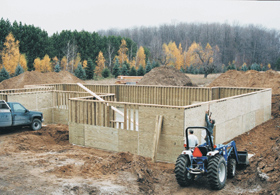
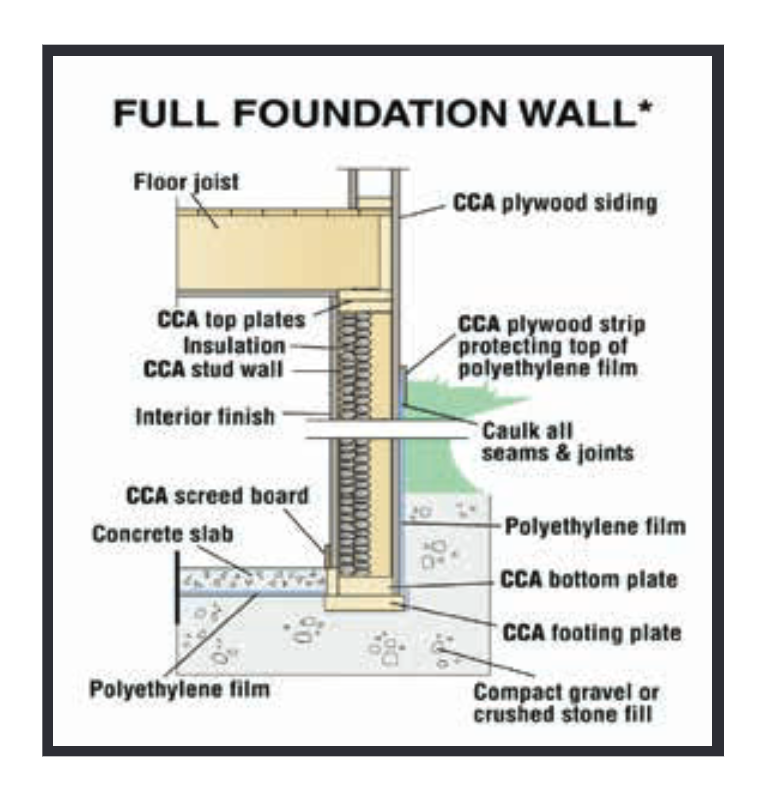
Preserved Wood Foundations (PWF) are engineered, treated wood products designed to provide a durable, moisture-resistant alternative to traditional concrete foundations. These foundations are constructed using pressure-treated wood that resists decay, insects, and other environmental factors, ensuring longevity and stability for your home.
Positives of Preserved Wood Foundations
Durability and Strength
- PWFs are built using high-quality, pressure-treated wood that offers exceptional strength and durability.They meet or exceed building code requirements for structural integrity.
Moisture Resistance
- Treated wood is highly resistant to moisture, preventing issues like mould and mildew that can compromise a home’s structural integrity.
Energy Efficiency
- Wood has natural insulating properties, helping to maintain a consistent indoor temperature and reduce energy costs.
- PWFs can contribute to a lower carbon footprint due to their energy-efficient properties.
Flexibility
- PWFs are adaptable to a variety of soil conditions and can be used in challenging environments where traditional foundations may struggle.
- They are suitable for various climates, including areas with high moisture or extreme temperatures.
Environmental Impact
- PWFs use renewable resources and often have a lower carbon footprint compared to concrete foundations.
- The wood used in PWFs is often sourced from sustainably managed forests.
Ease of Construction
- PWFs are lighter and easier to handle than concrete, reducing construction time and labor costs.
- They can be built year-round, even in cold weather conditions that might delay concrete work.
Negatives of Preserved Wood Foundations
Perception and Acceptance
- Some homeowners and builders may have reservations about using wood instead of concrete due to misconceptions about durability and longevity.
Maintenance
- While PWFs are designed to be low-maintenance, they still require regular inspections to ensure the foundation remains dry and free from damage.
- Proper drainage around the foundation is crucial to prevent moisture accumulation.
Pest Resistance
- Although treated wood is resistant to pests, it is not completely immune. Regular inspections and maintenance are necessary to prevent infestations.
Cost Variability
- The cost of preserved wood foundations can vary depending on local material and labor costs.
- In some regions, PWFs might be more expensive than concrete due to the availability of treated wood.
How Are Preserved Wood Foundations Constructed?
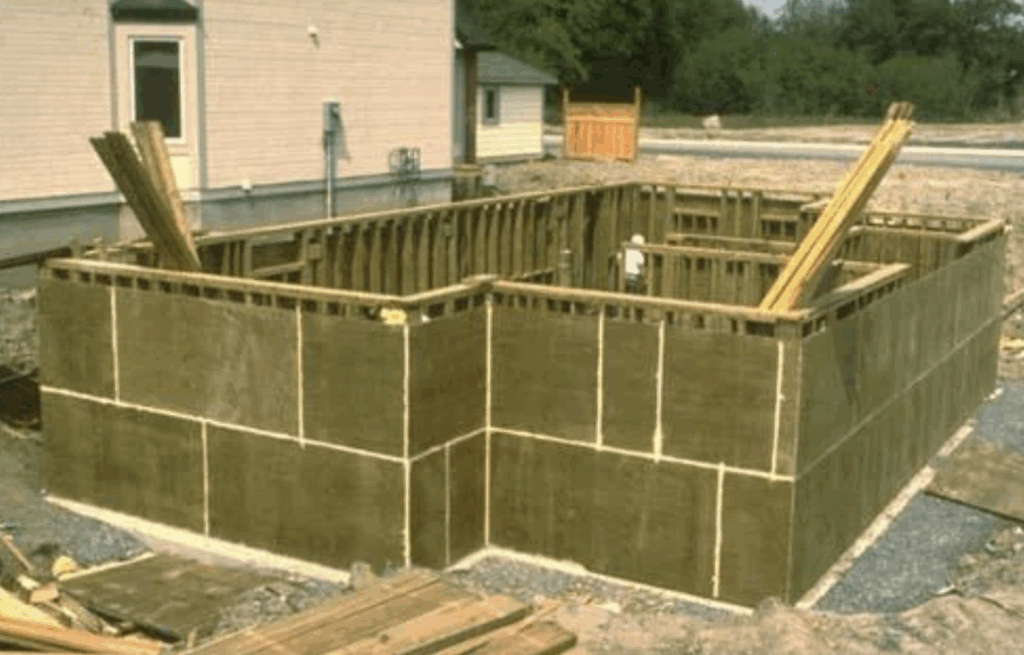
The construction process for PWFs involves several key steps:
Site Preparation
- The building site is prepared and excavated to the required depth.
- Proper site preparation ensures a stable and level foundation base.
Foundation Layout
- The foundation layout is planned and marked according to the building design.
- Accurate layout is crucial for the integrity and stability of the foundation.
Wood Treatment
- High-quality wood is pressure-treated with preservatives to protect against decay and insects.
- The treatment process enhances the wood’s durability and resistance to environmental factors.
Wall Assembly
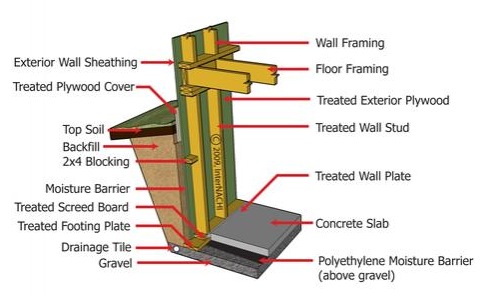
- The treated wood is assembled into wall panels, which are then installed on a prepared gravel bed.
- The wall panels are securely fastened to ensure structural stability.
Insulation and Waterproofing
- The walls are insulated and waterproofed to enhance energy efficiency and moisture resistance.
- Proper insulation helps maintain a comfortable indoor environment and reduces energy costs.
Backfilling and Drainage
- The foundation is backfilled with soil, and a drainage system is installed to manage water around the foundation.
- Effective drainage is essential to prevent moisture buildup and protect the foundation.
Illustrations
Why Choose Preserved Wood Foundations?
Preserved Wood Foundations offer a reliable and cost-effective solution for modern home construction. They provide excellent structural performance, energy efficiency, and environmental benefits. Additionally, PWFs are easier to work with, reducing construction time and labour costs.
FAQs
If you’re ready to sell or have more questions, you can contact us here.
Are preserved wood foundations as strong as concrete foundations?
The cost of preserved wood foundations can be comparable to or slightly less than concrete foundations, depending on local material and labor costs. Additionally, the energy savings and reduced construction time can offer long-term cost benefits.
How long do preserved wood foundations last?
With proper installation and maintenance, preserved wood foundations can last as long as traditional concrete foundations, often exceeding 50 years.
Are preserved wood foundations more expensive than concrete foundations?
The cost of preserved wood foundations can be comparable to or slightly less than concrete foundations, depending on local material and labor costs. Additionally, the energy savings and reduced construction time can offer long-term cost benefits.
Can preserved wood foundations be used in all climates?
Yes, preserved wood foundations are versatile and can be used in a variety of climates, including areas with high moisture or extreme temperatures.
How do I maintain a preserved wood foundation?
Maintenance involves regular inspections to ensure the foundation remains dry and free from damage. Proper drainage around the foundation is crucial to prevent moisture accumulation.
Contact Us
Ready to learn more about preserved wood foundations for your next home project? Contact the Move Faster team today for a consultation.
Phone: 780.707.5999
Email: hello@movefaster.ca


