“The Mountain” vs. “The City”: The Great Hamilton Divide Explained (2026)
Hamilton Mountain vs Lower City
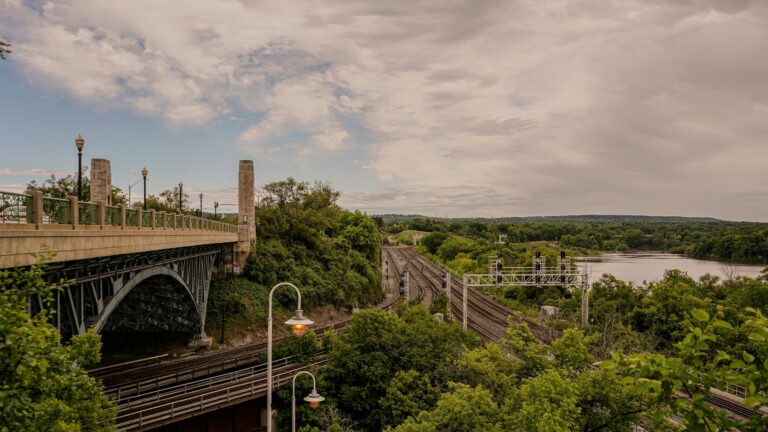
In most cities, neighborhoods are divided by streets or train tracks. In Hamilton, we are divided by a 100-meter-tall geological cliff.
The Niagara Escarpment (known locally as “The Mountain”) cuts the city cleanly in half. It creates two distinct worlds, each with its own climate, culture, and real estate micro-market.
If you are moving to Hamilton in 2026, the first question you must answer isn’t “How many bedrooms?” It is: “Up or Down?”
Here is the unfiltered guide to the Great Hamilton Divide.
1. The Lower City: The “Brooklyn” of Ontario
When people talk about Hamilton’s “Renaissance,” this is where it’s happening. The Lower City is the historic, gritty, and rapidly gentrifying heart of the Hammer.
- The Vibe: Urban, walkable, and eclectic. This is where you find the century-old brick Victorians, the hipster coffee shops on James Street North, and the art crawls. It feels like a “mini-Toronto” but with more parking and less pretension.
- The Housing Stock:
- The “Character” Home: You are paying for 10-foot ceilings, original gumwood trim, and “cozy” backyards.
- The Trade-off: In 2026, be prepared for “century home problems.” Knob-and-tube wiring is mostly gone, but drafty windows and wet basements are still standard features of the charming life.
- Who Lives Here: Young professionals, GTA transplants, artists, and medical residents working at Hamilton General or St. Joe’s.
- Neighborhoods to Watch:
- Durand: The “South End” of Hamilton. Stately mansions and luxury condos.
- Corktown: Walkable, dense, and directly beside the GO Station.
- The Delta: The family-friendly compromise with bigger lots but still “down the hill.”
2. The Mountain: The Suburban Sanctuary
Drive up the Jolly Cut, and the world changes. The streets get wider, the driveways get double-wide, and the noise of the city fades away.
- The Vibe: Practical, quiet, and convenient. The Mountain is built for families who want the “classic” detached life. It is a land of malls (Lime Ridge), plazas, and sprawling parks.
- The Housing Stock:
- The Brick Bungalow: This is the icon of the Mountain. Solid 1950s/60s builds that are indestructible.
- The 2026 Appeal: In a market where space is premium, the Mountain offers 50-foot wide lots that are virtually extinct in the GTA. You get a garage, a pool-sized yard, and a finished basement for the same price as a semi-detached downtown.
- Who Lives Here: Families, retirees, and tradespeople who value driveway space and easy highway access.
- Neighborhoods to Watch:
- Westcliffe: Quiet, tree-lined streets near the edge of the Escarpment.
- Sunnginhill: Affordable post-war bungalows perfect for first-time buyers.
- Rymal Road: Newer construction (2000s+) with modern open-concept layouts.
3. The Commute: Mastering the “Accesses”
Living “Up” but working “Down” (or vice versa) dictates your daily rhythm. You don’t just “drive home”; you “take the cut.”
- The Jolly Cut & Claremont Access: The main arteries. In 2026, they are efficient but prone to gridlock at 5:00 PM.
- The Sherman Cut: The secret weapon for East Enders, but beware the “two-way” schedule changes.
- The Kenilworth Access: The trucker’s route. Steep, industrial, but fast if you are heading to the QEW Toronto.
- The 2026 Reality: If you live on the Mountain and work in Toronto, you have easy access to the Linc (Lincoln M. Alexander Parkway) and Red Hill Valley Parkway. If you live Downtown, you are fighting city traffic just to get to the highway.
4. The 2026 Price Showdown
| Feature | The Lower City (Delta/East End) | The Mountain (Central/East) |
| Home Type | 2.5 Storey Brick (1920s) | Raised Ranch or Bungalow (1970s) |
| Square Footage | 1,400 sq. ft. (plus unfinished basement) | 1,100 sq. ft. (plus finished basement) |
| Lot Size | 30 x 100 ft | 50 x 120 ft |
| Parking | Street parking or narrow drive | Double car driveway + Garage |
| Walkability | 9/10 (Walk to coffee) | 3/10 (Drive to groceries) |
5. The “Smog” Myth
Let’s address the elephant in the room.
- The Myth: “The Lower City smells like steel.”
- The 2026 Reality: While the industrial North End still has active mills, the air quality in residential pockets like Westdale, St. Clair, and The Delta is largely unaffected. However, the Mountain does generally enjoy a fresh breeze and is physically above the industrial haze on humid summer days.
6. The Verdict: Which Hamilton Are You?
Choose The Lower City if:
- You hate driving. You want to walk to James Street North for tacos and craft beer.
- You love old houses with “soul” and are handy with a paintbrush.
- You want to be close to the West Harbour GO for train commuting.
Choose The Mountain if:
- You have a dog and two kids and need a fenced yard.
- You hate searching for parking.
- You want a “turn-key” bungalow where the basement is already a rec room, not a science experiment.
Hamilton FAQs
Contact us to book your tour.
Is the Mountain safer than downtown?
Statistically, the Mountain has lower rates of petty crime (theft, vandalism) compared to the downtown core. However, pockets of the Lower City like Kirkendall and Westdale are incredibly safe and family-focused. It is block-by-block.
Does the Escarpment affect the weather?
Yes. It is often 1-2 degrees cooler on the Mountain, and it gets slightly more snow in the winter. The “Escarpment Effect” can mean rain downtown but slush on the Upper James overpass.
Which has better schools?
Both have excellent options, but they differ in style. Westdale Secondary (Lower City) is renowned for its IB program and arts. St. Thomas More (Mountain) is a massive athletic and academic powerhouse.
Is the “LRT” coming to the Mountain?
No. The Hamilton LRT (Light Rail Transit) is strictly a Lower City project, running from McMaster to Eastgate Square. Mountain residents will rely on the “A-Line” express buses to connect to the LRT.
Where do the “Toronto Transplants” usually go?
It used to be strictly the Lower City (for the Victorian aesthetic). In 2026, we are seeing a massive shift of Toronto families moving to the Mountain, specifically for the 50-foot lots that remind them of Etobicoke in the 90s.
Still undecided on the climb? We can spend a morning showing you a “Century Classic” downtown and an “Mid-Century Modern” on the brow so you can feel the difference. Contact us to book your tour.