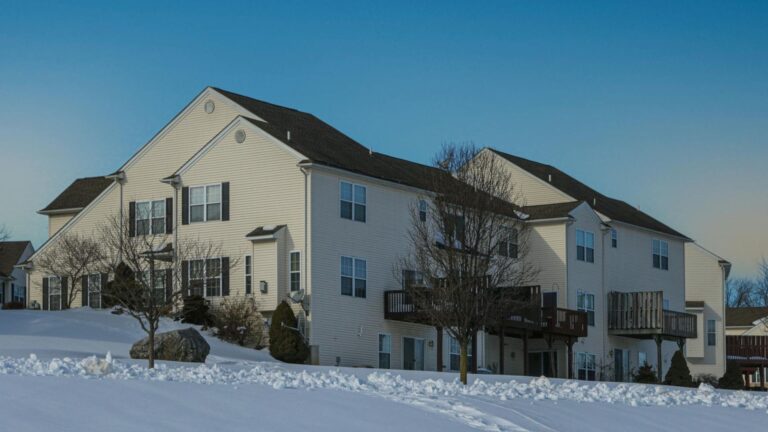
Is Winter a Bad Time to Buy a Home in Edmonton? (2026 Update)
Buy a Home in Edmonton
Conventional wisdom says you should wait until spring to buy a house. In Edmonton, following the crowd might cost you.
As the temperature drops and the snow piles up, the Edmonton real estate market typically goes into hibernation. Listings slow down, open houses get quieter, and most buyers decide to wait for the green grass of May to make their move.
When exploring Edmonton real estate parent communities, is waiting actually the smart play? Or is the ‘off-season’ actually the best time to snag a deal?
In 2026, the winter market is looking a little different than usual. Here is the truth about buying a home in Edmonton during the coldest months of the year.
The “Secret” Advantages of Winter Buying
To truly take advantage of a slower winter market, you need to be pre-approved and ready to make an immediate offer, which requires knowing exactly how credit scores impact mortgages and approvals. While your friends are waiting for spring, here is why you might want to be house hunting right now. Because winter creates a strong buyer’s market, it is often the absolute best time to negotiate aggressively on affordable Edmonton homes in the $200,000 to $450,000 bracket. Because winter property viewings often happen after the sun has set, out-of-province buyers frequently ask us if is the Northside of Edmonton safe to walk around at night, and our data breaks down the exact zones to target
1. The Competition is Frozen
Spring markets in Edmonton can be chaotic. You often find yourself in multiple-offer situations, competing against ten other families for the same bungalow in the central Edmonton Oliver neighbourhood or the west Edmonton Rosenthal community. In winter, the “tire kickers” stay home. The only people looking at houses in -20°C weather are serious buyers. This means less competition, fewer bidding wars, and a much higher chance of securing a home at list price (or lower).
2. Sellers are Highly Motivated
People who list their homes in January or February usually aren’t doing it for fun. They are typically selling because they have to—due to a job transfer, a divorce, or a financial shift. A motivated seller is a negotiable seller. Unlike spring sellers who might “test the market” with a high price, winter sellers often need a deal done quickly, giving you significant leverage at the negotiating table.
3. You See the House at Its Worst (Which is Good!)
Buying a house in July is like a first date—everyone is on their best behavior. buying in winter is like seeing the house with the flu.
- Drafts & Insulation: You will instantly know if the master bedroom is freezing or if the windows are leaking heat.
- Ice Dams: You can see if ice is building up on the roof gutters (a sign of poor attic insulation), something you would never spot in summer.
- Driveway Heaving: You can see how the property handles snow load and drainage. If a house feels warm and cozy in an Edmonton February, you know it’s a solid build.
The 2026 Market Context: Why This Winter is Different
Winter creates less competition, which is a massive advantage for first-time buyers targeting older Edmonton neighborhoods where inventory is typically highly contested in the spring. In previous years, winter was dead quiet. But late 2025 and early 2026 have shown us a different trend.
- Inventory is Up: Inventory levels in late 2025 were tracking significantly higher (approx. 33% higher) than previous years. This means you actually have choice right now, unlike the scarcity of past winters.
- Interest Rates Have Stabilized: With the official Bank of Canada policy rate sitting much lower than its peak (around 2.25% in late 2025), buyer confidence is returning.
- Prices are holding: Despite the cold, prices in Edmonton have slightly increased year-over-year, particularly for detached homes. Waiting for spring might mean paying a higher premium as more buyers flood the market.
The Risks: What You Can’t See
It isn’t all positives. Winter hides secrets, and you need to be careful.
- The “Snow Camouflage”: A blanket of snow hides everything. You can’t see the condition of the shingles, the cracks in the sidewalk, or the grading of the yard.
- Curb Appeal is Dead: It is hard to fall in love with a house that looks grey and bleak. You need to have “vision” to imagine what the landscaping will look like in June.
- Moving Day Challenges: Moving furniture at -30°C is miserable. It is also slower, which can cost you more in movers’ hourly fees.
Winter Buying FAQs
Contact our Edmonton real estate team to get a specialized “Winter Home Inspection Checklist” before you view your first property.
Is it cheaper to buy a house in winter?
Generally, yes. While home values don’t plummet, the final sale price is often lower relative to the list price. National real estate market data shows that the ‘sales-to-listing’ ratio drops in winter, meaning sellers are more willing to accept offers below the asking price to get the deal done.
Can I get a home inspection in the winter?
Absolutely, and it is more important than ever. However, the inspector might not be able to safely walk on a snow-covered roof or check the air conditioning unit. You may need to ask for a “holdback” or a specific clause in the contract regarding these items if they can’t be fully tested.
Do closing dates take longer in winter?
Actually, they can be faster. Mortgage brokers, lawyers, and inspectors are less busy in February than they are in June. You can often get your financing approved and closing documents signed in record time.
How do I check the roof if it’s covered in snow?
Look for “Ice Dams”—thick ridges of ice at the edge of the roof. This is a red flag that heat is escaping from the attic and melting the snow unevenly. Also, look for icicles hanging from the gutters; while pretty, they can indicate insulation issues.
The Verdict
If you can brave the cold and look past the snow-covered yards, winter 2026 presents a unique opportunity in Edmonton. You have more inventory than usual, motivated sellers, and less competition.
Ready to start your search? Bundle up and let’s go.