Moving to Halifax with Family: The 2026 Relocation Guide
Moving to Halifax with Family
Trade the concrete jungle for ocean breezes and a backyard you can actually afford.
For years, the “Halifax Secret” was known only to Maritimers. But in 2026, the word is officially out. Families from Ontario and British Columbia are flocking to Nova Scotia’s capital, drawn not just by the stunning coastline, but by a pace of life that prioritizes community over the daily grind.
While prices have risen, Halifax remains one of the few major Canadian cities where the “detached home dream” is still attainable for a middle-class family.
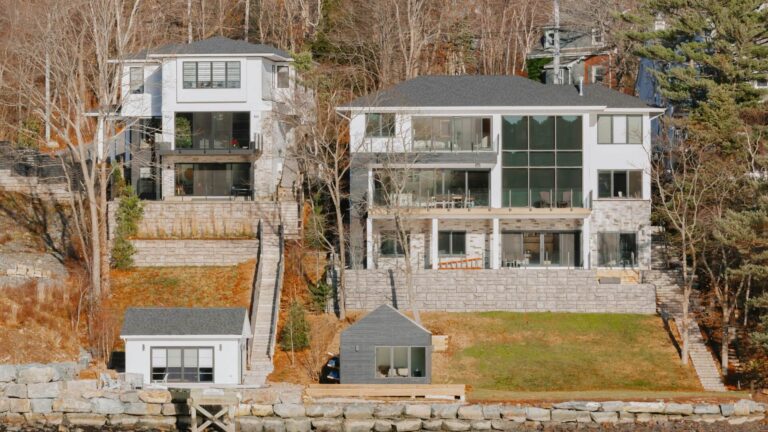
If you are ready to swap a view of the highway for a view of the harbour, here is everything you need to know about relocating to Halifax this year.
1. The Financial Win: Housing & Cost of Living
The gap between Halifax and Canada’s biggest metros remains the primary draw for families.
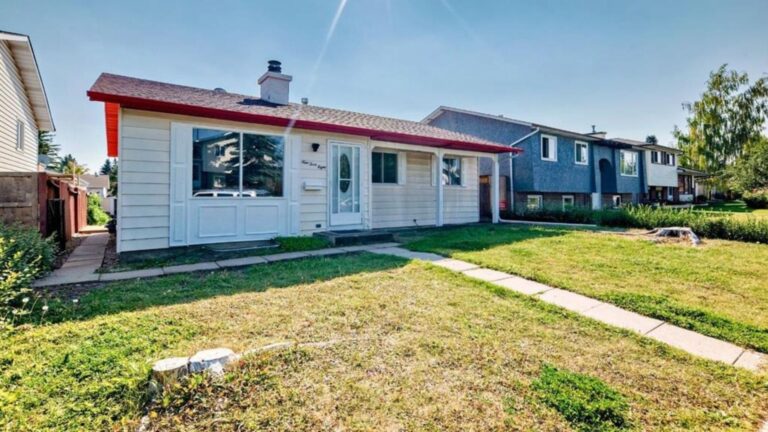
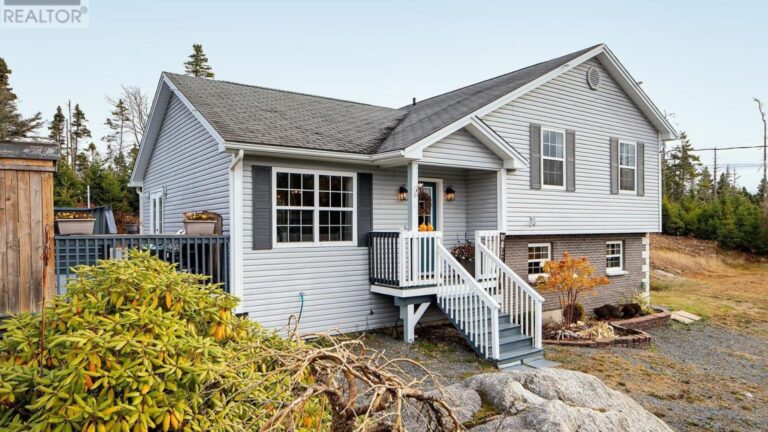
- Housing Affordability: As of early 2026, the average home price in Halifax hovers around $594,000. Compare this to Toronto or Vancouver, where average prices are often double that, and the math is undeniable. A budget that buys a small condo in the GTA can secure a spacious detached home with a yard in Halifax.
- Rent: If you plan to rent first, expect to pay approximately $2,310 for a two-bedroom apartment. While rising, this is still significantly lower than the $3,000+ averages seen in larger hubs.
- Groceries & Utilities: While housing is cheaper, daily goods are comparable to other cities. A family of four should budget between $1,000 and $1,500 per month for groceries.
2. Best Neighbourhoods for Families
Halifax is a “community of communities,” each with a distinct vibe. Here are the top picks for 2026:
For Top Schools & Recreation: Bedford
Bedford consistently ranks as a favourite for families due to its excellent schools and amenities like the Sunnyside Mall and DeWolf Park Boardwalk.
- The Vibe: Established suburban feel with extensive waterfront walking trails.
- Housing: A mix of older character homes and modern builds, typically priced higher than the regional average but offering high value.
For the “City of Lakes” Lifestyle: Dartmouth
Located across the harbour (a quick ferry ride away), Dartmouth is famous for having 23 lakes within its boundaries.
- Why Families Love It: It offers active living—kayaking and swimming in the summer are part of daily life. Areas like Cole Harbour offer more spacious and affordable lots compared to the Halifax peninsula.
For Diversity & Recreation: Clayton Park
Situated between the Bedford Basin and the city centre, Clayton Park is a thriving, diverse suburb.
- The Draw: It is home to the Canada Games Centre, a massive facility with swimming pools and sports courts that acts as a community hub for active kids.
For Modern Living: West Bedford & Fall River
If you want a brand-new build, West Bedford is booming. Alternatively, Fall River offers large, treed lots and a semi-rural feel just 20 minutes from the airport.
3. Navigating Schools & Education
Halifax offers high-quality public education through the Halifax Regional Centre for Education (HRCE) and the Francophone board (CSAP).
- Registration: You must register your child before they start school. This requires proof of age (birth certificate/passport) and proof of address (utility bill or lease).
- Pre-Primary: Nova Scotia offers a free, universal Pre-Primary program for children who turn four years old by December 31st of the school year. This is a huge cost-saver on daycare for families.
- French Immersion: Very popular in Halifax. Early Immersion starts in Grade Primary (Kindergarten), while Late Immersion starts in Grade 7.
4. Lifestyle: Embracing the East Coast
Life here moves at a different speed.
- The Ocean is Everywhere: You are never more than 15-20 minutes from the ocean. Weekends often involve trips to beaches like Lawrencetown or Crystal Crescent.
- Community Spirit: Locals are known for being friendly. It is common to know your neighbours, and “kitchen parties” are a real cultural staple.
- Healthcare Reality: The one major challenge in Nova Scotia is finding a family doctor. The “Need a Family Practice Registry” is the waiting list system, and wait times can be long. Walk-in clinics and virtual care are the primary options for newcomers while waiting.
Halifax Relocation FAQs
Contact us to receive our “Halifax Neighbourhood Guide” tailored to your commute and budget.
Do I need a car in Halifax?
For most families, yes. While the downtown core is walkable and the ferry system is excellent for commuters, suburban life in Bedford, Dartmouth, or Clayton Park is car-dependent for grocery runs and kids’ activities.
How do I find a doctor?
Upon arrival, you should register immediately with the Nova Scotia Need a Family Practice Registry. Be prepared to rely on walk-in clinics or virtual care services (like Maple, often covered by the province) during the wait, which can take months or longer.
Is the winter harsh?
Halifax winters are milder than Ottawa or the Prairies but can be “messy.” We get a mix of snow, rain, and freeze-thaw cycles. You won’t see -30°C often, but you will need waterproof winter boots and a good rain jacket.
Can I register for schools before I have a permanent address?
Generally, no. You need proof of residence (like a signed lease or purchase agreement) to register for a specific catchment school. However, you can contact the HRCE in advance to understand the process and prepare your documents.
Ready to start your East Coast adventure? Whether you are looking for a heritage home in the South End or a lakeside retreat in Dartmouth, we can help you find the perfect landing spot.
Start your Halifax search with us today.